
Celebrating 30 Years Of Fugazi’s Red Medicine
Released in 1995, Red Medicine captured a pivotal moment in Fugazi’s evolution. As the album turns 30 this month, it’s a good time to revisit its sound and context—especially how it built on the groundwork laid by their previous album, In On the Kill Taker. The shift mirrors what Radiohead later did with Kid A, which expanded on the ideas first explored in OK Computer.
To understand how Red Medicine took shape, it helps to look at where Fugazi came from. Formed in Washington, D.C. in the late 1980s, the band quickly earned a reputation for their uncompromising DIY ethic and refusal to play by mainstream music industry rules. By the time Red Medicine was released, Fugazi—Ian MacKaye and Guy Picciotto on vocals and guitar, Joe Lally on bass, and Brendan Canty on drums—had already made their mark with a distinctive take on post-hardcore, defined by sharp, dynamic song structures. Their previous album, In On the Kill Taker, saw the band exploring various sonic directions. But with Red Medicine, they pushed further—broadening their palette with layered guitar effects, looser song forms, and a deeper dive into their experimental instincts, including clear nods to noise rock and avant-garde influences.
Direct in its delivery but expansive in scope, Red Medicine marked a moment when Fugazi was both musically restless and ideologically grounded. The album built on the more refined production approach the band had been moving toward since In On the Kill Taker, a response to their dissatisfaction with the flatter sound of Steady Diet of Nothing. While still resisting the slickness of radio-friendly rock, Red Medicine embraced high production value and intentional sonic choices. The band sounded freer here and less rigid, more willing to explore texture, mood, and abstraction. The result is an album that feels looser and more experimental, without ever losing focus.
Red Medicine stands as a statement of principles as much as a musical work. Lyrically, it confronts political disillusionment, social unrest, and personal ethics head-on. Fugazi doesn’t offer easy takeaways—instead, they ask the listener to engage, to question, and to sit with the discomfort. That approach struck a chord with a generation increasingly skeptical of mainstream narratives and corporate ideology, and it still feels relevant today.
That depth comes through in tracks like “Do You Like Me,” a fragmented portrait of American decline. Bureaucracy, corruption, and suburban rot collide in a fever dream, with lines like “white witness moves to petition the state of Virginia for 27 prisons” indicting the corporate influence of the prison industrial complex. “Birthday Pony” shifts to something more personal. Picciotto reflects on the emotional toll of constant touring, balancing commitment to the band with the weight of distance and fatigue. “Forensic Scene” dives into darker territory—part surgical metaphor, part meditation on trauma and masculinity—its slow, heavy build matching the psychological unease. “By You” lashes out at the commodification of rebellion, while “Target” part critique of fame and self-meditation on Fugazi’s own position, so eloquently put in verse, “We could be making it oiling like crime, We could be making it staking last dimes.” and “Back to Base” exposes the emptiness of the 24-hour news cycle. In “Downed City,” surreal imagery of violence and decay reflects a world where tragedy has become routine.
What makes Red Medicine endure is its refusal to spell things out. The lyrics aren’t as direct as their earlier records, but that vagueness is intentional. It reflects a culture where language is twisted, where meaning is marketed and blurred. Fugazi doesn’t preach or hand down slogans. They leave room for tension, contradiction, and interpretation. The result is a record that still feels vital and political without being dogmatic, personal without turning into an awkward confession. Three decades on, Red Medicine still reads like a dispatch from a band in the trenches refusing to acquiesce to a system built to quash individuality.
Musically, Red Medicine is defined by its structured experimentation. The interplay between MacKaye and Picciotto’s guitars builds tension and texture, while Canty’s precise drumming and Lally’s steady bass lines ground the record. Together, they form one of the most inventive rhythm sections in modern music, combining consistency with forward momentum. Each layer is intentional, allowing the lyrics to stand out without getting lost in the mix. That clarity and cohesion have shaped countless bands in the independent scene and proved that musicianship and integrity can exist side by side.
Today, listeners both new and old continue to find relevance in the music and message of Red Medicine. The album doesn’t deliver direct answers or easy narratives. Instead, its abstract lyrics and experimental sound push listeners to think critically and engage with the world around them. Its longevity speaks not only to its musical ambition but also to the lasting appeal of honesty and intention in art. As the world shifts and new challenges emerge, the album’s commitment to truth and integrity still resonates with those who value substance over spectacle.
Red Medicine isn’t just a standout in Fugazi’s catalog; it’s a record that continues to reward those who are willing to listen. There was a sentiment before among old-school punks who tended to look a little scary or intimidating with their studded leather jackets and mohawks. They were rowdy, snot-nosed kids who didn’t seem to belong, who walked comfortably in the margins of society. The point being, they weren’t interested in anyone who judged them for how they looked. They didn’t give a fuck how they were perceived, but they always responded positively to anyone who had a genuine interest in who they were and how they were doing. They didn’t care for cultural tourists or fair-weather friends. This album came at a time when the battle for cultural identity and authenticity was on the line. Dookie had been released, and Kurt Cobain was gone. It was a losing battle, and this album, in a sense, was the last gasp of a youth movement that was all but lost to the culture vultures wanting a piece so they could exploit it and use it as a marketing tool for suburbanites who didn’t know any better. The battle was indeed lost. What followed were boy bands, Disney stars turned pop idols, heiresses famous for being famous, and the death of the underground. Red Medicine now feels like a metaphor for that time. Beneath the rough edges of “Do You Like Me,” there’s a pop and rock sensibility that’s surprisingly easy to digest—but only if you’re committed enough to hear it. You have to earn its beauty. It ain’t The fucking Eagles.
Shredding Beatlemania: The Punk Rebellion That Ignited the Post-Punk Revolution
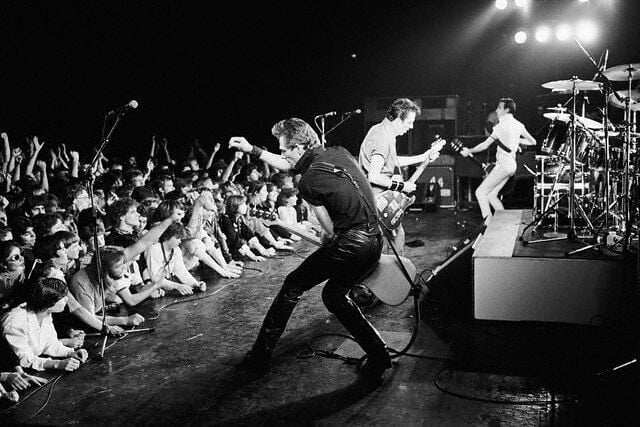
In the wake of a fading 1960s idyll, Britain found itself at the crossroads of economic decline and a deep cultural disillusionment. Beatlemania has long bitten the dust, and beneath the grime of deteriorating urban sprawl and in the hidden corners of squatted venues, a raw counterculture began to coalesce—one that rejected the sanitized glitz of pop’s bygone era.
Under Thatcher’s rule, discontent among Britain’s youth grew ever more palpable. Government policies deepened inequality and widened the gulf between a disillusioned working class and an unresponsive elite. For many, Thatcherism was less a governing system and more a daily provocation—a stark reminder of a rigged system. In cramped squats and dim underground venues, a potent language of dissent was being nurtured. Here, against a backdrop of deindustrialization and austerity, there was more than just musical rebellion afoot; but with it a vital lifeline, a raw articulation of the anger and alienation that defined everyday struggle. The movement’s energy was as much about tearing down established cultural norms as it was about constructing a new perception of identity—one that was inextricably linked to the immediacy of the moment and the physical spaces where this revolution was encouraged, reimagined and woven into a new socio-political tapestry.
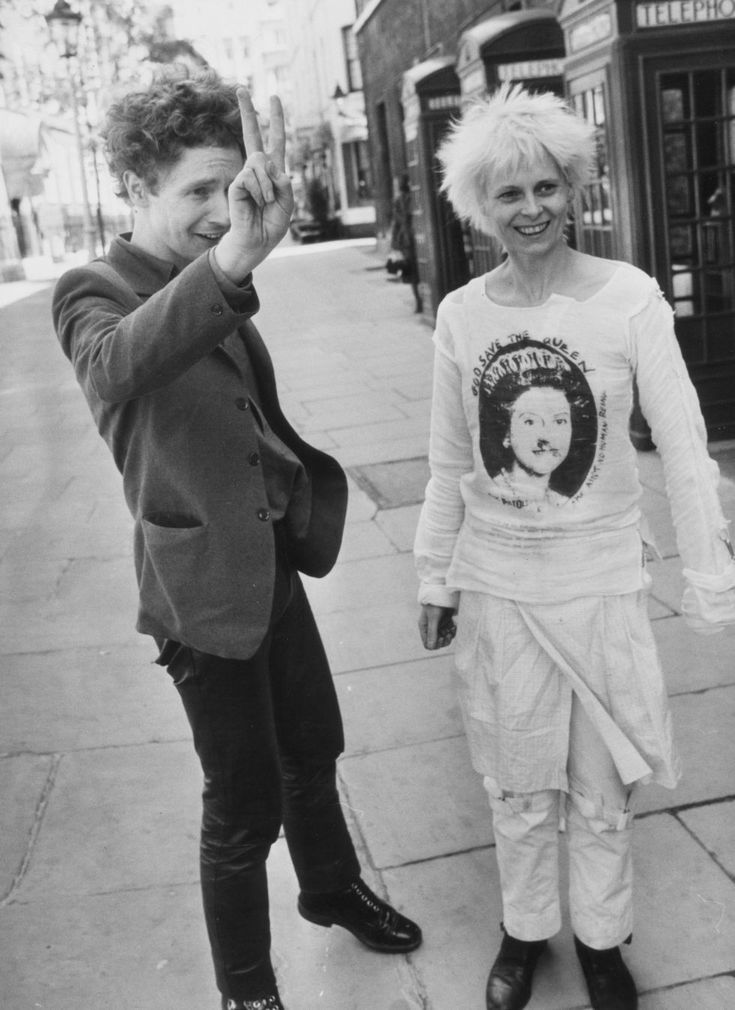
At the forefront of the burgeoning scene were figures who shot to prominence not merely for their music, but for their iconoclastic presence and audacious style. The Sex Pistols exploded onto the national stage with short, incendiary bursts of sound that were designed to cut through the complacent din of pop culture. Under the management of Malcolm McLaren and the visionary design direction of Vivienne Westwood, their image became an extension of an uprising—a stark, aggressive counterpoint to the polished excess of mainstream pop. Their music was a deliberate provocation, a series of rapid-fire declarations that sought to dismantle the status quo.
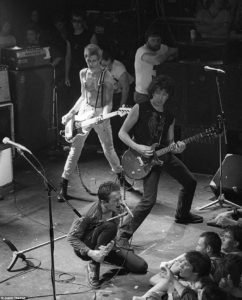
The Clash live on stage
On the other hand, The Clash, with their deep commitment to addressing issues such as urban decay, racial tension, and governmental neglect, exemplified how the raw energy could be harnessed into powerful social commentary. Balancing commercial success with an unwavering commitment to authenticity, they mastered the art of blending ferocious sound with meaningful lyrics, crafting a counter-narrative to both mainstream complacency and the hollow provocations of superficial controversies.
While its march into the mainstream was celebrated by some, its grassroots supporters warned that broader exposure risked diluting its original radical spirit and leaving it vulnerable to exploitation. Malcolm McLaren’s role with the Sex Pistols serves as a case in point: by carefully selecting the lineup, assigning stage names, and cultivating an unmistakably rock-star image, he transformed raw defiance into a marketable commodity—an act that sharply contrasted with the movement’s initial anti-commercial stance.

Meanwhile, another group of artists nurtured a vibrant yet more discordant version of punk. Bands like X-Ray Spex, fronted by the incomparable Poly Styrene, dismantled consumer culture with searing lyrics and a style that defied conventional norms of femininity and beauty. Alternative TV, pushing the envelope even further, fused punk’s visceral aggression with experimental rhythms and abstract lyricism. Equally uncompromising were the UK Subs, whose relentless, politically charged anthems waged war against authority with an intensity that left an indelible mark on punk ideology. These acts, and countless others, emerged from the shadowy backrooms of London’s underground scene. Sweat-drenched clubs, squatted warehouses, and abandoned spaces became the crucibles where the DIY ethic of punk was forged
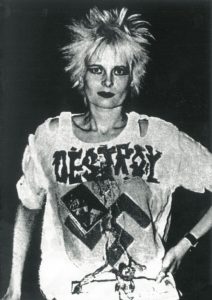
Amidst this tension, a cultural iconography began to crystallize. Vivienne Westwood’s incendiary designs did more than dress a movement; they transformed clothing into a medium of protest, an ever-present reminder that rebellion was not just an auditory phenomenon but a visual and tangible one. Her work provided the aesthetic lexicon for punk—a visual shorthand for defiance that continues to influence fashion and art decades later.
The legacy rooted in these diverse expressions provided the fertile groundwork for the next evolutionary stage in music. Questions were being asked; creatively, musically and artistically. The community at-large found themselves confronting the limitations of a three‑chord manifesto. The seeds of discontent had been sown, and within its tangled roots, the desire for a more nuanced language of resistance took shape. Out of the remnants of that initial explosive youth movement, there emerged a new reflective genre—an introspective exploration of art that retained punk’s spirit of defiance while expanding its sonic and lyrical horizons.

Born from the recognition that while the stark, aggressive simplicity of the mid 70’s had effectively shattered long-standing cultural conventions, it also left gaps in the expression of the complex, evolving nature of dissent. The movement’s pioneers—bands such as Joy Division, Young Marble Giants, and Gang of Four—began to experiment with angular rhythms, somber melodies, and sophisticated soundscapes that traversed a wide range of musical influences, from dub and funk to art rock and beyond. This transformation was not a renunciation of punk’s unyielding opposition to authority; rather, it was an evolution that acknowledged the need for a richer, more textured dialogue about modern alienation and identity.
The spark that ignited post‑punk lay precisely in that critical juncture—when the raw immediacy of punk’s riotous beginnings, fueled by disillusionment and nihilistic bravado, met its own limitations and gave way to a search for deeper meaning. It was a moment of creative introspection, when the very energy that once eradicated the superficial could now be channeled into building something new and resonant. In this synthesis, the unrelenting defiance of punk dovetailed into the cerebral introspection of post‑punk, birthing a movement that challenged not only the external houses of power but also the internal constructs of self and society.
Reflecting on these transformative years, it is evident that the punk movement was far more than a fleeting burst of rebellious noise. It was a cultural watershed—a profound reimagining of what it meant to resist, to create, and to forge a new identity in the midst of systemic decay. The legacy of that period—whether seen through the provocative lens of Vivienne Westwood’s subversive fashion, the incendiary anthems of The Clash, or the raw DIY spirit nurtured in the cramped underground venues—remains a lasting testament to the enduring power of dissent.

Even as those early shouts of rebellion evolved into the layered, introspective textures of later artists, musicians and provocateurs, they never abandoned their roots. The pulse of authentic dissent can never be fully silenced. The punk movement—its raw defiance, its uncompromising vision, and its transformative power—invites every generation to challenge, to create, and to redefine what it means to truly live in radical truth.