Shredding Beatlemania: The Punk Rebellion That Ignited the Post-Punk Revolution
In the wake of a fading 1960s idyll, Britain found itself at the crossroads of economic decline and a deep cultural disillusionment. Beatlemania has long bitten the dust, and beneath the grime of deteriorating urban sprawl and in the hidden corners of squatted venues, a raw counterculture began to coalesce—one that rejected the sanitized glitz of pop’s bygone era.
Under Thatcher’s rule, discontent among Britain’s youth grew ever more palpable. Government policies deepened inequality and widened the gulf between a disillusioned working class and an unresponsive elite. For many, Thatcherism was less a governing system and more a daily provocation, a stark reminder of a rigged system. In cramped squats and dim underground venues, a potent language of dissent was being nurtured. Here, against a backdrop of deindustrialization and austerity, there was more than just musical rebellion afoot; but a vital lifeline, a raw articulation of the anger and alienation that defined everyday struggle. The movement’s energy was as much about tearing down established cultural norms as it was about constructing a new perception of identity. One that was inextricably linked to the immediacy of the moment and the physical spaces where this revolution was encouraged, reimagined and woven into a new socio-political tapestry.
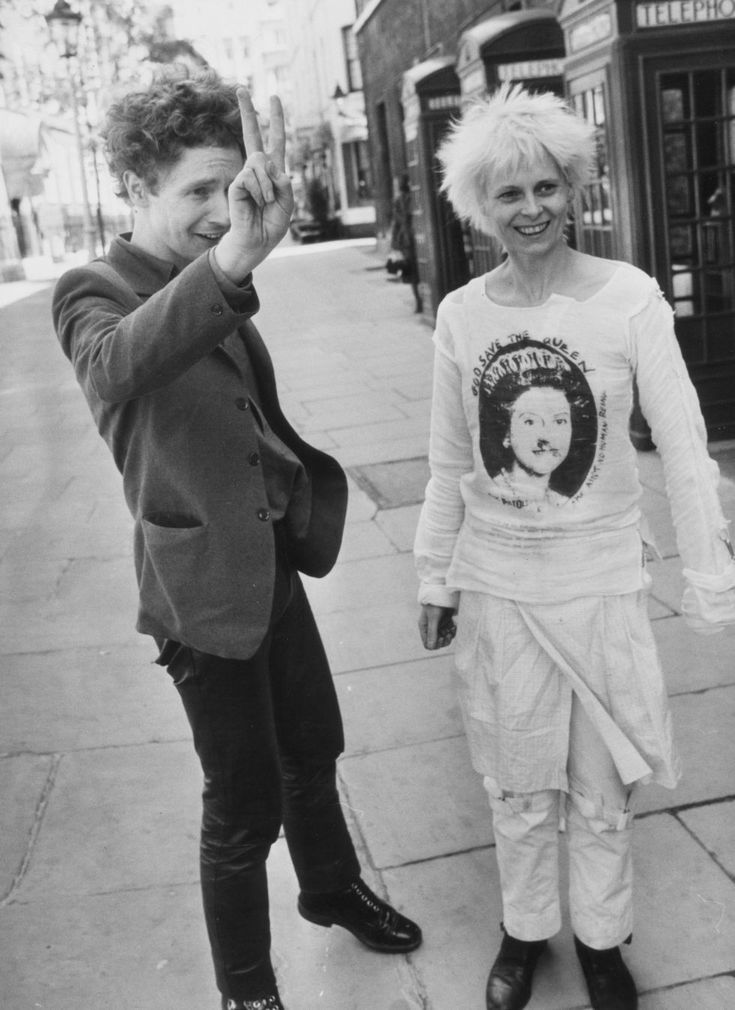
At the forefront of the burgeoning scene were figures who shot to prominence not merely for their music, but for their iconoclastic presence and audacious style. The Sex Pistols exploded onto the national stage with short, incendiary bursts of sound that were designed to cut through the complacent din of pop culture. Under the management of Malcolm McLaren and the visionary design direction of Vivienne Westwood, their image became an extension of an uprising. A stark, aggressive counterpoint to the polished excess of mainstream pop. Their music was a deliberate provocation, a series of rapid-fire declarations that sought to dismantle the status quo.
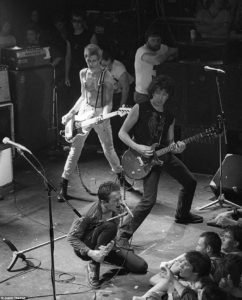
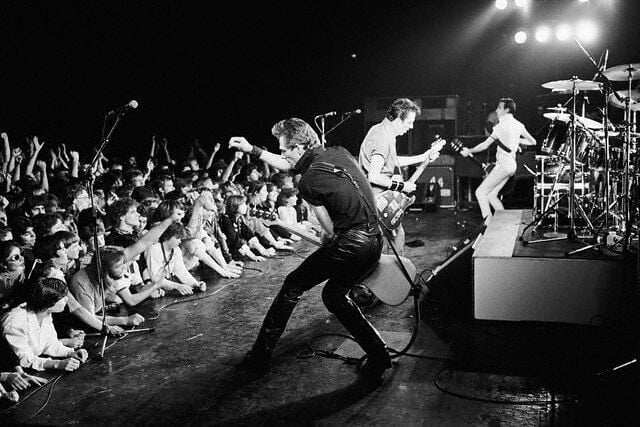
On the other hand, The Clash, with their deep commitment to addressing issues such as urban decay, racial tension, and governmental neglect, exemplified how the raw energy could be harnessed into powerful social commentary. Balancing commercial success with an unwavering commitment to authenticity, they mastered the art of blending ferocious sound with meaningful lyrics, crafting a counter-narrative to both mainstream complacency and the hollow provocations of superficial controversies.
While its march into the mainstream was celebrated by some, its grassroots supporters warned that broader exposure risked diluting its original radical spirit and leaving it vulnerable to exploitation. Malcolm McLaren’s role with the Sex Pistols serves as a case in point: by carefully selecting the lineup, assigning stage names, and cultivating an unmistakably rock-star image, he transformed raw defiance into a marketable commodity, an act that sharply contrasted with the movement’s initial anti-commercial stance.

Meanwhile, another group of artists nurtured a vibrant yet more discordant version of punk. Bands like X-Ray Spex, fronted by the incomparable Poly Styrene, dismantled consumer culture with searing lyrics and a style that defied conventional norms of femininity and beauty. Alternative TV, pushing the envelope even further, fused punk’s visceral aggression with experimental rhythms and abstract lyricism. Equally uncompromising were the UK Subs, whose relentless, politically charged anthems waged war against authority with an intensity that left an indelible mark on punk ideology. These acts, and countless others, emerged from the shadowy backrooms of London’s underground scene. Sweat-drenched clubs, squatted warehouses, and abandoned spaces became the crucibles where the DIY ethic of punk was forged
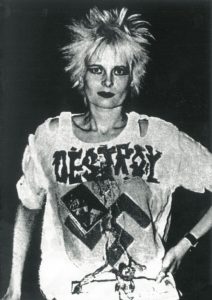
Amidst this tension, a cultural iconography began to crystallize. Vivienne Westwood’s incendiary designs did more than dress a movement; they transformed clothing into a medium of protest, an ever-present reminder that rebellion was not just an auditory phenomenon but a visual and tangible one. Her work provided the aesthetic lexicon for punk, a visual shorthand for defiance that continues to influence fashion and art decades later.
The legacy rooted in these diverse expressions provided the fertile groundwork for the next evolutionary stage in music. Questions were being asked; creatively, musically and artistically. The community at-large found themselves confronting the limitations of a three‑chord manifesto. The seeds of discontent had been sown, and within its tangled roots, the desire for a more nuanced language of resistance took shape. Out of the remnants of that initial explosive youth movement, there emerged a new reflective genre, an introspective exploration of art that retained punk’s spirit of defiance while expanding its sonic and lyrical horizons.

Born from the recognition that while the stark, aggressive simplicity of the mid 70’s had effectively shattered long-standing cultural conventions, it also left gaps in the expression of the complex, evolving nature of dissent. The movement’s pioneers; bands such as Joy Division, Young Marble Giants, and Gang of Four began to experiment with angular rhythms, somber melodies, and sophisticated soundscapes that traversed a wide range of musical influences, from dub and funk to art rock and beyond. This transformation was not a renunciation of punk’s unyielding opposition to authority; rather, it was an evolution that acknowledged the need for a richer, more textured dialogue about modern alienation and identity.
The spark that ignited post‑punk lay precisely in that critical juncture, when the raw immediacy of punk’s riotous beginnings, fueled by disillusionment and nihilistic bravado, met its own limitations and gave way to a search for deeper meaning. It was a moment of creative introspection, when the very energy that once eradicated the superficial could now be channeled into building something new and resonant. In this synthesis, the unrelenting defiance of punk dovetailed into the cerebral introspection of post‑punk. Birthing a movement that challenged not only the external houses of power but also the internal constructs of self and society.
Reflecting on these transformative years, it is evident that the punk movement was far more than a fleeting burst of rebellious noise. It was a cultural watershed, a profound reimagining of what it meant to resist, to create, and to forge a new identity in the midst of systemic decay. The legacy of that period, whether seen through the provocative lens of Vivienne Westwood’s subversive fashion, the incendiary anthems of The Clash, or the raw DIY spirit nurtured in the cramped underground venues—remains a lasting testament to the enduring power of dissent.

Even as those early shouts of rebellion evolved into the layered, introspective textures of later artists, musicians and provocateurs, they never abandoned their roots. The pulse of authentic dissent can never be fully silenced. The punk movement, its raw defiance, its uncompromising vision, and its transformative power invites every generation to challenge, to create, and to redefine what it means to truly live in radical truth.